When it comes to understanding our health, the terms “hemoglobin” and “iron” often pop up, but many people are unsure about what they mean and how they are connected.
This article aims to clarify these concepts in an easy-to-understand way, shedding light on their importance and offering practical tips to manage them.
What is Hemoglobin?
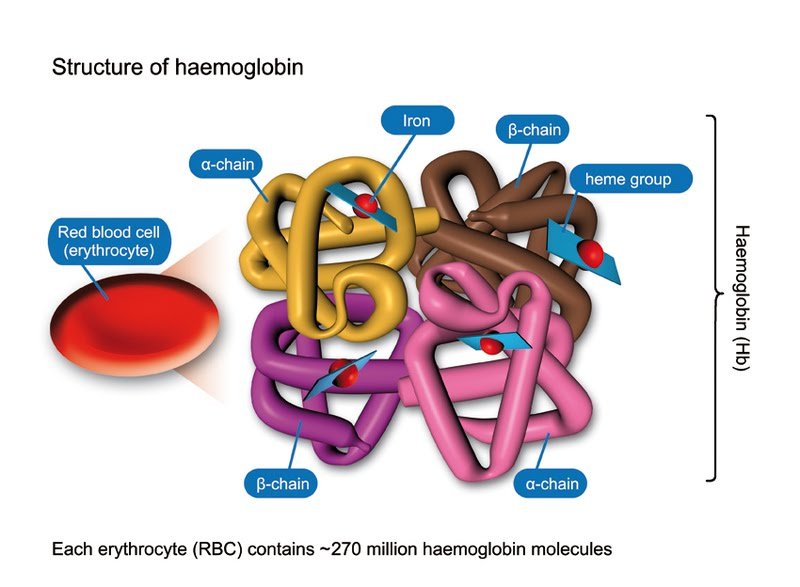
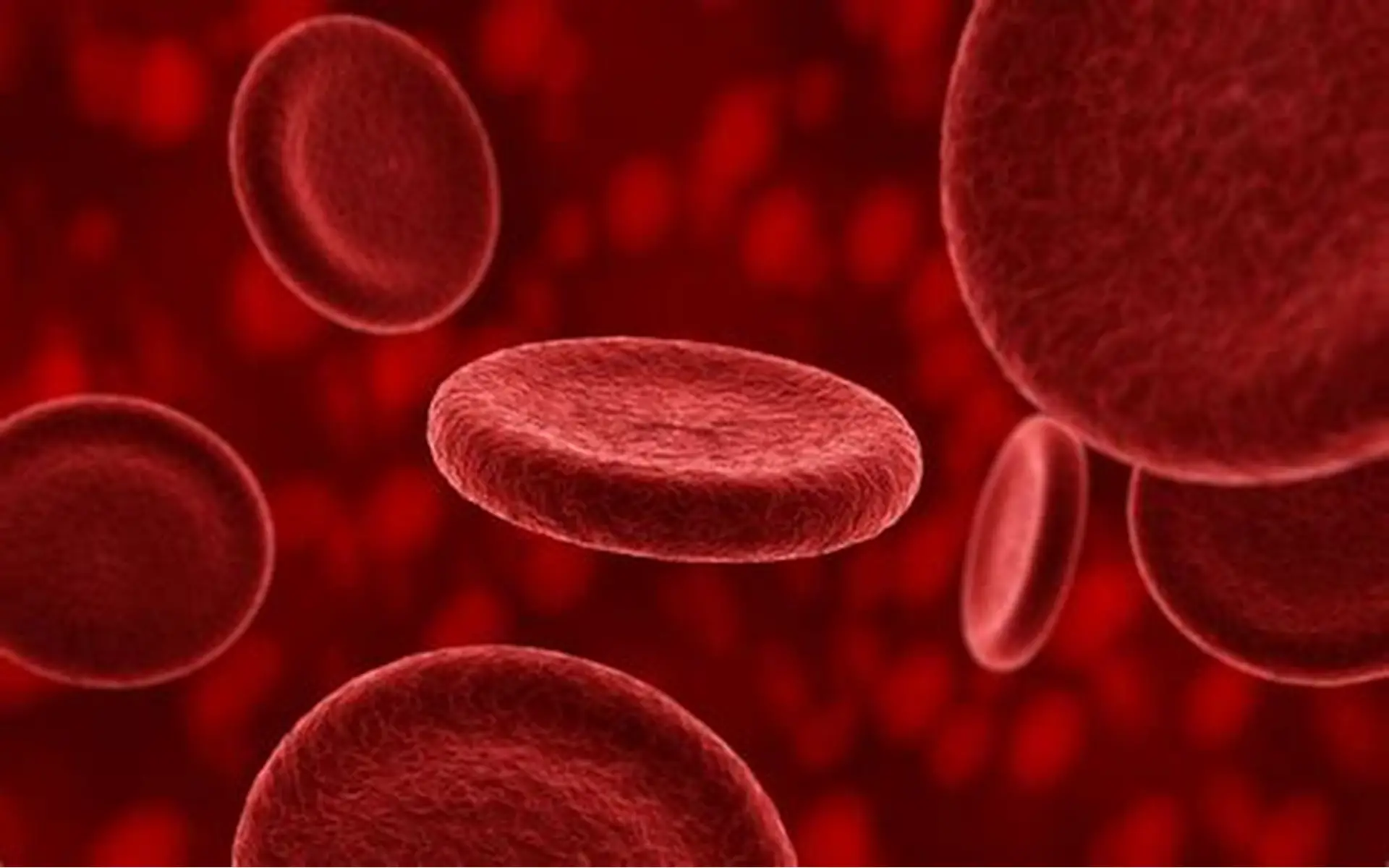
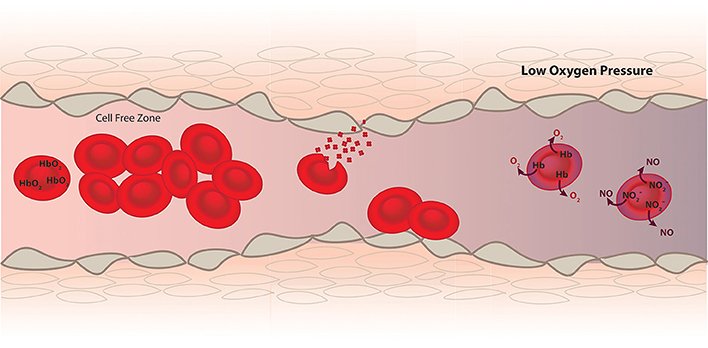
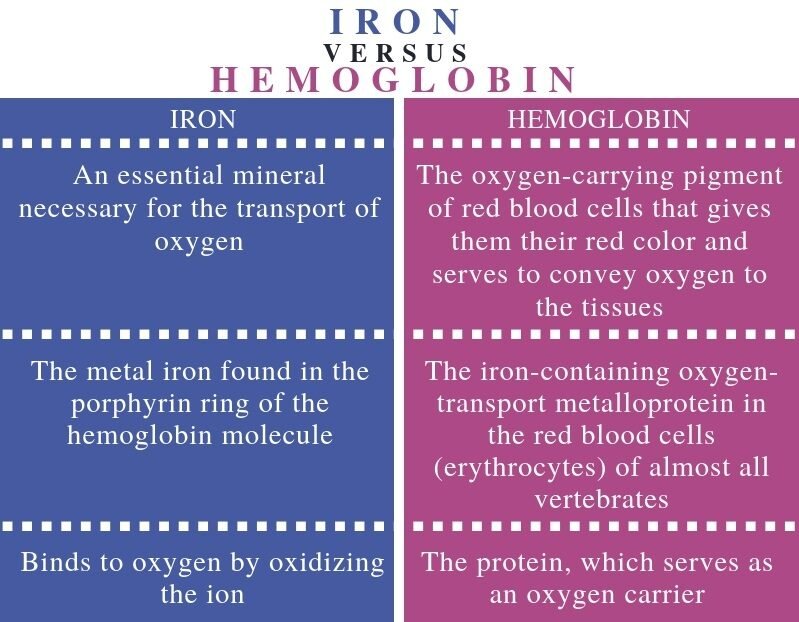
Hemoglobin, which is found in our red blood cells, is a protein. Breathing brings oxygen into the lungs, allowing it to combine with hemoglobin.
This oxygen-rich blood is then transported throughout your body, supplying vital organs and muscles with the oxygen they need to function properly.
When hemoglobin levels drop, your body struggles to get enough oxygen, which can lead to fatigue, weakness, and other health issues.
What is Iron?
Iron is a mineral that plays a crucial role in the production of hemoglobin. It’s like the fuel needed to keep the delivery trucks running. Without sufficient iron, your body can’t produce enough hemoglobin, leading to iron-deficiency anemia. This means that not only is there a shortage of red blood cells, but the cells that do exist are not carrying enough oxygen, often resulting in feelings of exhaustion and a decline in overall health.
The Process of Forming Hemoglobin
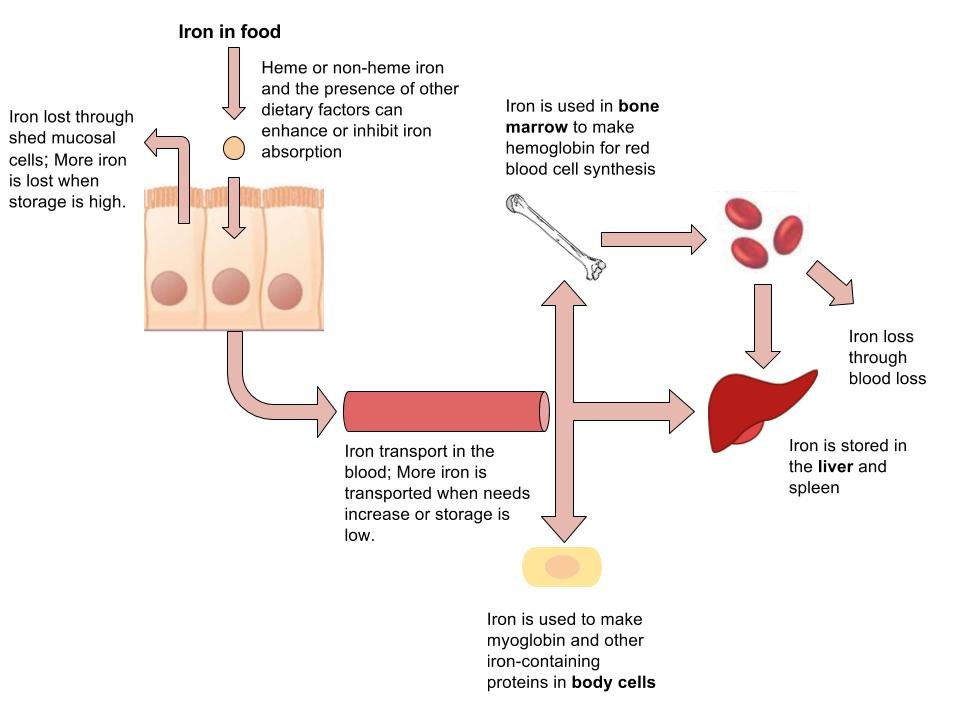
1. Iron Intake: The journey begins when you consume iron through food sources. Iron exists in two forms: heme iron (found in animal products) and non-heme iron (found in plant-based foods). Heme iron is more easily absorbed by the body.
2. Absorption: Once ingested, iron is absorbed primarily in the small intestine. The presence of vitamin C can enhance this absorption, helping to transform non-heme iron into a more readily absorbable form.
3. Transporting Iron: After absorption, iron enters the bloodstream and binds to a protein called transferrin, which transports iron to various parts of the body, including the bone marrow, where red blood cells are produced.
4. Production of Hemoglobin: In the bone marrow, iron combines with a protein called globin, and through several biochemical processes, they form hemoglobin. This is where the magic happens – hemoglobin is formed and begins to fill the red blood cells.
5. Maturation of Red Blood Cells: As hemoglobin is synthesized, red blood cells mature and are released into the bloodstream. Each red blood cell contains millions of hemoglobin molecules, ready to carry oxygen efficiently.
6. Recycling Iron: When red blood cells reach the end of their lifespan (around 120 days), the body recycles iron from the hemoglobin. Macrophages in the spleen break down the cells and release iron back into the bloodstream, making it available for new red blood cell production.
Factors That Influence Hemoglobin and Iron Levels
Several factors can affect your hemoglobin and iron levels, including:
1. Dietary Choices: The foods we consume have a direct impact. Iron-rich foods such as red meat, chicken, fish, lentils, beans, and dark leafy greens are essential for maintaining healthy iron levels.
2. Absorption Effectiveness: Just eating iron isn’t enough. For instance, consuming vitamin C alongside iron-rich foods can significantly enhance absorption, while calcium can inhibit it.
3. Menstrual Health: Women are particularly susceptible to dipping iron levels due to blood loss during menstruation. Heavy periods can deplete iron reserves.
4. Stage of Life: Pregnant women and adolescents typically require more iron to support growth and development.
5. Medical Conditions: Chronic illnesses such as kidney disease, cancer, or inflammatory disorders can disrupt hemoglobin and iron production.
6. Age and Gender Differences: Children and teenage girls often need that extra iron boost during growth spurts, while older adults may see changes in their iron metabolism.
Simple Tips to Boost Hemoglobin and Iron Levels
Ensuring adequate hemoglobin and iron levels can significantly enhance your vitality. Here are some friendly, practical tips to help you stay on track:
1. Incorporate Iron-Rich Foods: Begin by adding iron-rich foods into your diet. Think of steaks, chicken, fish, lentils, chickpeas, and spinach. These are all great sources!
2. Pair Iron with Vitamin C: Try having orange slices or a glass of lemon juice with your meals to boost iron absorption. It’s as simple as adding a colorful fruit salad!
3. Mind Your Calcium Intake: If you’re enjoying iron-rich meals, consider saving dairy products like milk or cheese for later. Calcium can interfere with iron absorption.
4. Hydration is Key: Drinking adequate water is essential for overall health. It can also help keep your blood running smoothly.
5. Routine Health Check-Ups: Schedule regular check-ups with your doctor. Simple blood tests can help you keep track of your hemoglobin and iron levels.
7. Consult with a Health Professional: If you ever feel excessively tired or suspect low iron levels, talking to your doctor is a wise choice. They can provide tailored advice or supplements if needed.
Understanding hemoglobin and iron levels is essential for your overall health.
With just a few changes in your diet and lifestyle choices, you can maintain good levels and enjoy a more energetic life.
So, pay attention to what you eat, stay hydrated, and don’t hesitate to seek advice from healthcare professionals when in doubt.
After all, taking small steps today can lead to a healthier tomorrow!
Gaining knowledge is not about knowing everything about something; it is about knowing something about everything.